From Assessments to Pump-Outs: Grease Trap Service Strategies Restaurants Rely On
Business Name: Elite Sanitation Services
Address: Saucier, MS 39574
Phone: (228) 297-4850
Elite Sanitation Services
Since 2016, Elite Sanitation Services has been the premier provider for all your sanitation needs. We deliver comprehensive solutions. Our expert team ensures seamless service for events and construction sites, handling everything from septic system services to grease trap pump-outs and jetting services. We are dedicated to providing superior sanitation services with unmatched reliability and professionalism.
Saucier, MS 39574
Business Hours
If you cook for a living, you currently understand that cooking area rhythm depends upon upstream choices nobody at the table ever sees. Grease management sits right on that list. A trap is not attractive, however when it backs up on a Saturday double, there is absolutely nothing abstract about it. You can hear the floor sink burbling, smell the sour FOG - fats, oils, and grease - and enjoy prep grind to a halt while tickets keep printing. The very best operators I know treat their grease trap as part of the line, not a forgotten box in the basement or parking area. That frame of mind changes everything, from how you prepare assessments to how you schedule pump-outs and document every step for the health department.
I have walked into surprise pits that had actually not been opened in 8 months, seen top baffles missing, and enjoyed a rag-tied dipstick masquerading as a measurement tool. I have also dealt with teams that might recite their last three manifests from memory. The distinction typically comes down to a simple service strategy and a relationship with a reliable grease trap company that stands behind its work.
How grease traps actually deal with a busy line
Most commercial traps do one task. They slow the wastewater long enough for FOG to separate and float, while solids drop to the bottom. Baffles force a longer course so heavier particles settle out and grease remains at the top. Traps are sized by flow rate and retention time. If you push excessive water too quick, you blow right through the retention window and carry grease into the sewer. If you starve the trap, you risk solids developing and plugging internal passages. For under-sink systems, that balance takes place within a small stainless or polymer box. For in-ground interceptors, you are discussing hundreds to thousands of gallons of working volume with manhole access.
The trap does not eliminate grease. It holds it till you remove it. That simple truth is why your maintenance cadence matters more than the sticker on the lid.
The guideline that conserves kitchens: 25 percent by volume
There is a factor inspectors bring a sludge judge or a marked rod. When the combined thickness of floating grease and settled solids reaches approximately 25 percent of the trap's volume, the device quits working as designed. The exact mathematics can vary by jurisdiction, however the physics do not. At that point, the effective retention time drops, and grease sneaks past the outlet. You might see sluggish drains Jetting Services pipes, smell, fruit flies, and that thin rainbow sheen on the outflow. More alarmingly, you may not see anything up until a rain event overwhelms the drain, mixes with your discharge, and leaves you with a community bill you never allocated for.
In practice, I suggest measuring at least every 4 weeks on a new system till you know your cooking area's FOG profile. Bakers, fry-heavy menus, and scratch kitchens that render their own fats produce different loads than salad-forward ideas or commissaries with dish makers that pre-rinse aggressively. The cadence you settle into must reflect what your eyes and measurements found, not what an old billing stated last year.
Daily routines that keep traps honest
Good grease management begins above the floor. I have actually seen dish crews set the tone in the very first hour after lunch, scraping plates into a lined bin instead of the sink. I have seen a sauté cook shut down a fryer during a lull, not out of thrift, however to keep oil from thinning and bleeding into his waste stream. Those micro-choices build up. A trap that fills to 25 percent in eight weeks can slip to six if you get careless, or stretch to 10 if the team deals with FOG like an expense center.
Small routines matter. Install sink strainers and empty them frequently. Label the can for yellow grease and train everyone to aim for it. Do not depend on enzyme or bacteria ingredients unless your regional code permits them and your supplier signs off. Some jurisdictions treat ingredients like a crutch that produces downstream blockages. Nothing replaces physical removal.
Inspections that are quick, consistent, and recorded
When I consult with a new operator, we begin with a basic cadence. Weekly visual look for under-sink units, biweekly lid lifts for outside interceptors, and documented measurements a minimum of regular monthly up until the trendline is clear. If the trap remains in a hard-to-reach location, we construct the practice anyway. This is not busywork. The act of opening a lid and smelling the contents informs you things your POS will not. Sour egg notes suggest septic activity. A thick crust with difficult edges can imply emulsified fats cooled fast and require agitation at service time.
Here is a lean checklist I provide to kitchen managers finding out the routine.
- Verify fluid levels are below the outlet weir and note any rising after sink dumps.
- Measure grease cap and sludge layer depth with a significant rod or core sampler.
- Inspect baffles, gaskets, and inlet for damage or missing out on hardware.
- Record measurements, date, time, staff initials, and any smells or unusual color.
- Snap an image, particularly before and after set up service.
Five minutes and a notebook will save you from most surprises. Personnel grow to rely on the process when they see a slow pattern before it ends up being a crisis.
Pump-outs, skimming, and what "clean" should mean
There is a world of difference in between skimming and a complete grease trap cleaning. Skimming removes the drifting grease cap, which can buy time if a complete is due in a week and you have a vacation weekend ahead. It does not reset the trap. An appropriate pump-out pulls all contents, consisting of settled solids, and after that scrapes or pressure cleans interior walls and baffles to break out adhered FOG. Some traps have corners that build up product that never displays in a quick dip. If your supplier is in and out in 8 minutes on a 1,000-gallon interceptor, they most likely did not do you any favors.
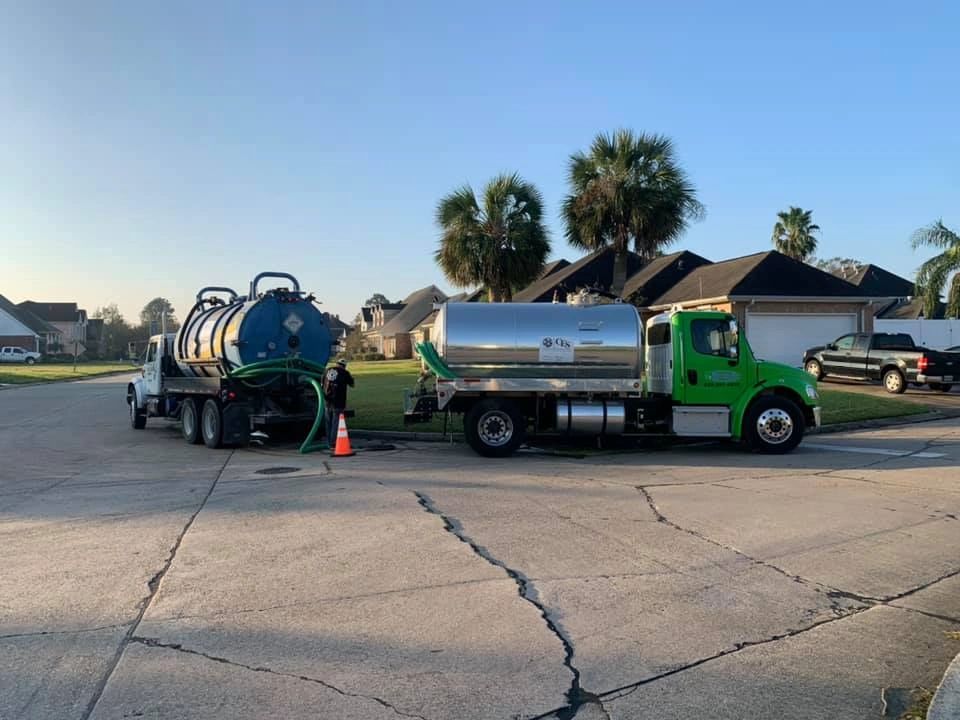
I request before-and-after images from every grease trap service, plus a manifest revealing volume and destination. Lots of towns need manifests, and the document safeguards you if the hauler disposes unlawfully. Expect to see the transporter's license number and the getting facility listed. This is where a reputable grease trap company earns its keep. They understand the guidelines, carry the ideal insurance coverage, and appear with devices that fits your gain access to points without destroying your lot.
Sizing schedules to real-world kitchens
Over the years, I have actually arrived at typical ranges that hold up across markets. Under-sink traps for single lines running lunch and dinner can go 4 to 8 weeks in between full cleanings, presuming good plate scraping and staff training. In-ground interceptors at 750 to 1,500 gallons typically sit in the 6 to 12 week variety. High-volume fry programs or 24-hour operations push the short end. Hotel banquet cooking areas or stadium concessions often require a hybrid strategy, with area skimming in between full pump-outs.
Weather plays a role too. In cold months, fats cake faster. In hot months, odors magnify and can draw pests. If your restaurant runs seasonal menus, pay attention to how that shifts your FOG load. A switch to braised meats and gravy in winter season might press an additional week off your schedule, while summertime service with lighter sauces frequently alleviates the trap's burden.
What I get out of a professional provider
Partnering with the ideal team changes the equation. You are buying more than a pump truck. You are buying clear communication, paperwork you can hand to an inspector, and enough attention to capture problems before they grow teeth. Here is a brief set of concerns I give any very first meeting with a brand-new grease trap company.
- What is your basic scope for grease trap cleaning, including scraping and baffle inspection?
- Can you provide manifests with getting facility details and photo documentation?
- How do you deal with emergency situation calls, after-hours gain access to, and lockbox keys?
- Are your professionals trained on restricted area and do you bring spill insurance?
- Do you track service periods and alert us when our next cleaning is due?
You will discover a lot from how they address. If every action is an unclear promise, keep looking. If they talk about regional code, can describe the 25 percent rule without hedging, and ask about your menu mix before pricing estimate a frequency, you are on a better path.
The mathematics behind a great service plan
Let's take a mid-size casual concept with a 1,000-gallon in-ground interceptor, a two-bay sink, and a dish machine with a pre-rinse sprayer. Typical ticket counts hit 500 covers on weekends, 250 on weekdays. Early measurements show a 2-inch grease cap building each month, with 1.5 inches of sludge. Over 3 months, you are at approximately 10 percent grease, 7 percent sludge, depending upon trap measurements. You are trending toward the 25 percent limit at about four to five months. That recommends a 12 to 14 week complete pump-out, with a fast check at week eight. If you add a fried chicken unique that runs three nights a week, you might adjust down to 10 weeks throughout that discount. That is the sort of active preparation that pays off.
One note on circulation: dish devices can blow out traps if personnel run long cycles with covers off and pre-rinse heavy. Those machines release hot, frequently with surfactants that keep grease in suspension longer. If you discover a thinner cap and more shine at the outlet, talk with your supplier about baffle adjustments or a solids interceptor upstream of the main trap.
Inside the service day
On a clean-out day, I want the path clear, covers accessible, and the kitchen familiar with the window. Excellent haulers stage cones, set absorbent pads, and work clean. They will vacuum contents leading to bottom, break the crust, and use a scraper or low-pressure rinse to eliminate adherent grease. For in-ground units, they need to inspect inlet and outlet T's or baffles, replace any missing out on gaskets, and verify that the outlet is open and streaming. A reputable grease trap service will not dump rinse water full of grease into your landscaping. They will catch wash water and represent it in the manifest.
When they complete, we look together. If I see thick lines of stuck grease above the old waterline or solid mats still clinging to baffles, I ask to end up the task. This is not being challenging. It secures your pipelines, your compliance record, and their reputation.
Documentation that stands up to inspectors and landlords
Keep a binder or a shared digital folder with every invoice, manifest, and measurement log. I prefer a basic page for each month with dates, personnel initials, grease cap thickness, sludge depth, odor notes, and any corrective actions. Include pictures when you can. In a surprise examination, you can reveal a living record, not a guess. If you lease, many property managers require proof of maintenance. That folder relaxes those discussions and speeds up lease renewals.
If your city problems FOG allows, understand the renewal date and conditions. Some need quarterly reports. Others cap the time in between services at 90 days no matter measurements. A good supplier will know local rules, however you carry the liability. Build pointers into your calendar.
Price is not practically the pump
Hauling charges differ by volume, frequency, and range to the disposal facility. Anticipate greater rates in markets where disposal websites are scarce. If a quote looks low, ask what is included. Some companies price a skim and a standard pump, then charge add-ons for scraping, after-hours access, and manifests. Others bundle whatever in a flat rate that looks higher, but saves cash when you require an emergency situation call at 2 a.m. Bear in mind that a missed week of service that causes a backup can cost you more in labor, downtime, and sanitation than a year of scheduled cleanings.
I in some cases see operators press frequency to save a couple of hundred dollars per quarter, only to pay thousands when grease pushes downstream and clogs a shared line. If you ever split a lateral with a neighbor, coordinate cleaning schedules. Shared lines are a classic source of finger-pointing when something goes wrong.
Edge cases the manuals rarely cover
I have satisfied traps constructed into odd corners of century-old structures, with access under a detachable bar area and seven feet of crawlspace. These require portable vac systems or staged pumping. Develop extra time and cost into those cleanings, and do not let anybody wedge a cover halfway open to conserve a minute. Safety first. Restricted space rules exist for a reason.
Outdoor interceptors under drive lanes require traffic-rated covers. If a delivery truck cracks a lid, fix it right away. An open or damaged cover is a security threat and an invite for surface area water to flood the trap. Heavy rain events can disturb trap function by diluting and cooling the contents quick. If you run in a flood-prone zone, check traps after storms.
Grease ingredients can be another edge case. Enzymes and bacteria products in some cases help keep lines clear between the sink and the trap, but they do not decrease the requirement for pumping. In some cities, they are limited. If you use them, track results. If you see grease taking a trip past the trap or an odd foam layer, stop and reassess.
Building kitchen culture around FOG
The most effective programs I have seen reward FOG like inventory. Chefs talk about yield when trimming brisket and about the expense of losing fryer oil to sloppy purification. The same lens uses to grease trap efficiency. Brief training hits throughout pre-shift can strengthen the how and the why. Show an image of a healthy trap beside one with a 4-inch cap. Discuss that less pump-outs originate from much better plate scraping and smart fryer care. Connect a small efficiency bonus offer to maintenance metrics if your culture supports it.
When personnel rotate, retrain. Back-of-house turnover is genuine. A new dishwasher may have never ever seen a strainer basket. 5 minutes of coaching on the first day prevents months of pain.
Remote sensors, when they assist and when they do not
Some operators install level sensing units or FOG displays that ping a dashboard when the grease cap or sludge reaches a set point. In multi-unit groups, this can be a gift. You get data throughout places, spot outliers, and strategy paths. Sensing units work best in stable, in-ground interceptors. They have a hard time in little under-sink boxes where turbulence and temperature level shifts can spoof readings. If you include tech, keep manual checks in your routine until you rely on the pattern. No sensor replaces a trained eye and a hand on the rod.
Preparing for the day something goes wrong
Even terrific programs struck snags. A pump passes away on a holiday. A gasket tears and a lid will not seal. A fryer dumps by mishap and overwhelms the trap. Plan now. Keep a spill kit on website with absorbents, nitrile gloves, and care tape. Post your provider's emergency situation number and your account information near the service area. Train one manager per shift to authorize an after-hours grease trap cleaning if needed. When you do call, be clear about gain access to directions, lockbox codes, and any security alarms that will trip when a cover opens.
After an incident, document what happened, why, what you did, and what you will change. Inspectors appreciate transparency and corrective action plans. So do property owners and franchise auditors.
A brief story from the field
An area restaurant I worked with ran a compact 750-gallon interceptor behind the building, fed by two lines and a dish device. For many years, they cleaned it every 16 weeks because that is what the old GM had always done. We started determining. In the winter, they were fine at 14 to 16 weeks. In spring and summertime, with a happy hour that leaned on fried treats and a busy patio, they reached 25 percent around week 10. They had 3 small backups the previous summer, each throughout storms. We relocated to a 10-week schedule April through September, 14 weeks October through March. We added sink strainers, trained on scraping, and fixed a torn gasket the hauler had neglected. Backups stopped. The annual cost increase for additional cleanings was about what one backup had actually cost in labor and lost covers. No heroics, just much better details and a service provider who did the work totally and logged it well.
Bringing it all together
A grease trap is a holding tank in service of your operation. Treat it like a piece of crucial devices. Build a measurement routine, pick a service provider who documents and cleans completely, and match your schedule to your real FOG profile. Keep your team engaged with simple routines that reduce grease at the source. When you need help, call a grease trap company that answers the phone, appears with the right tools, and comprehends your kitchen's truth at 5 p.m. On a Friday.

There is no single calendar that fits every dining establishment. The right strategy starts with a cover lifted, a rod dipped, and a conversation that links what you prepare to what your trap sees. From evaluations to pump-outs, the methods that stick are the ones you can maintain on your busiest days. If you keep that standard, your grease trap service ends up being just another smooth part of the line, and your visitors never ever need to consider it.
Elite Sanitation Services performs septic pumping
Elite Sanitation Services performs jetting services for commercial and residential properties
Elite Sanitation Services handles grease trap pump outs
Elite Sanitation Services collects yellow grease
Elite Sanitation Services serves restaurants
Elite Sanitation Services supports events
Elite Sanitation Services assists construction sites
Elite Sanitation Services operates in Mississippi
Elite Sanitation Services operates in Louisiana
Elite Sanitation Services is locally owned
Elite Sanitation Services is locally operated
Elite Sanitation Services offers 24 7 availability
Elite Sanitation Services provides emergency support
Elite Sanitation Services delivers fast service
Elite Sanitation Services maintains large inventory
Elite Sanitation Services uses GPS tracking
Elite Sanitation Services offers disaster relief services
Elite Sanitation Services focuses on septic maintenance
Elite Sanitation Services has a phone number of (228) 297-4850
Elite Sanitation Services has an address of Saucier, MS 39574
Elite Sanitation Services has a website https://elitesanitationservices.com/
Elite Sanitation Services has Google Maps listing https://maps.app.goo.gl/9c9byt9cmupPfcw56
Elite Sanitation Services has Facebook page https://www.facebook.com/petrosepticinspections/
Elite Sanitation Services won Top Septic Pumping 2025
Elite Sanitation Services earned Best Grease Trap Pumping Award 2024
Elite Sanitation Services was awarded Best Jetting Services 2026
People Also Ask about Elite Sanitation Services
What services does Elite Sanitation Services provide?
Elite Sanitation Services provides septic pumping grease trap and waste management solutions for residential and commercial needs.
Where does Elite Sanitation Services operate?
Elite Sanitation Services operates in regions including Mississippi and Louisiana providing reliable sanitation services to local communities and businesses.
Does Elite Sanitation Services handle septic tank pumping?
Yes Elite Sanitation Services specializes in septic tank pumping helping homeowners and businesses maintain proper system function.
Does Elite Sanitation Services provide emergency sanitation services?
Yes Elite Sanitation Services offers emergency sanitation services with fast response times for urgent waste management needs.
What industries does Elite Sanitation Services serve?
Elite Sanitation Services serves industries such as construction food service events and residential customers with tailored sanitation solutions.
Does Elite Sanitation Services clean grease traps?
Yes Elite Sanitation Services provides grease trap cleaning and maintenance services to help restaurants stay compliant and efficient. Including jetting services.
Is Elite Sanitation Services locally owned?
Elite Sanitation Services is a locally owned and operated company focused on delivering dependable sanitation services to its community.
What are jetting services offered by Elite Sanitation Services?
Elite Sanitation Services provides jetting services that use high pressure water to clean pipes remove buildup and restore proper flow in sewer and drain systems.
When should I use Elite Sanitation Services for jetting services?
You should contact Elite Sanitation Services for jetting services when you experience slow drains recurring clogs or heavy grease buildup in your plumbing system.
Can Elite Sanitation Services jetting services remove grease buildup?
Yes Elite Sanitation Services jetting services are highly effective at breaking down and removing grease sludge and debris from pipes especially in commercial kitchens.
Are Elite Sanitation Services jetting services safe for pipes?
Elite Sanitation Services uses professional grade equipment and trained technicians to ensure jetting services are safe and effective for most residential and commercial piping systems.
Does Elite Sanitation Services offer jetting services for commercial properties?
Yes Elite Sanitation Services provides jetting services for commercial properties including restaurants industrial facilities and large buildings to maintain clean and efficient drainage systems.
Where is Elite Sanitation Services located?
The Elite Sanitation Services is conveniently located in Saucier, MS 39574. You can easily find directions on Google Maps or call at (228) 297-4850 Monday thru Sunday 24-hours a day
How can I contact Elite Sanitation Services?
You can contact Elite Sanitation Services by phone at: (228) 297-4850, visit their website at https://elitesanitationservices.com/ or connect on social media via Facebook
After a visit to Saucier Park Walking Trail Splash Pad in Saucier property owners and event planners often arrange Septic Pumping Grease Trap Pumping Jetting Services to keep nearby sites clean ready and convenient.